As AI Overviews continue to compress traditional organic click-through rates (CTR) on informational queries, the industry is pivoting toward Generative Engine Optimization (GEO)—focusing on structured brand citations and authoritative entity placement. Simultaneously, publishers are pushing back against AI web scraping: Cloudflare rolled out monetization and blocking features for AI crawlers, while Google started piloting ad-revenue sharing programs for publishers included in AI search summaries.
The CTR compression problem
Data from affiliate tracking and publisher reports indicates that AI Overviews have reduced traditional organic click-through rates on informational queries by 15–40%, depending on query type. When Google displays an AI-generated summary at the top of search results, users often find their answer without clicking through to any website.
This compression is most severe for question-and-answer content, listicles, how-to guides, and comparison articles—exactly the content types that affiliate and content publishers rely on. A query such as “best online casinos” or “how to verify casino licenses” now surfaces an AI summary before traditional organic results, reducing traffic to publisher websites that would previously have ranked in positions 1–3.
Publishers cannot simply increase keyword volume or double content production to offset this loss. Instead, they must shift strategy toward earning citations within AI-generated summaries themselves.
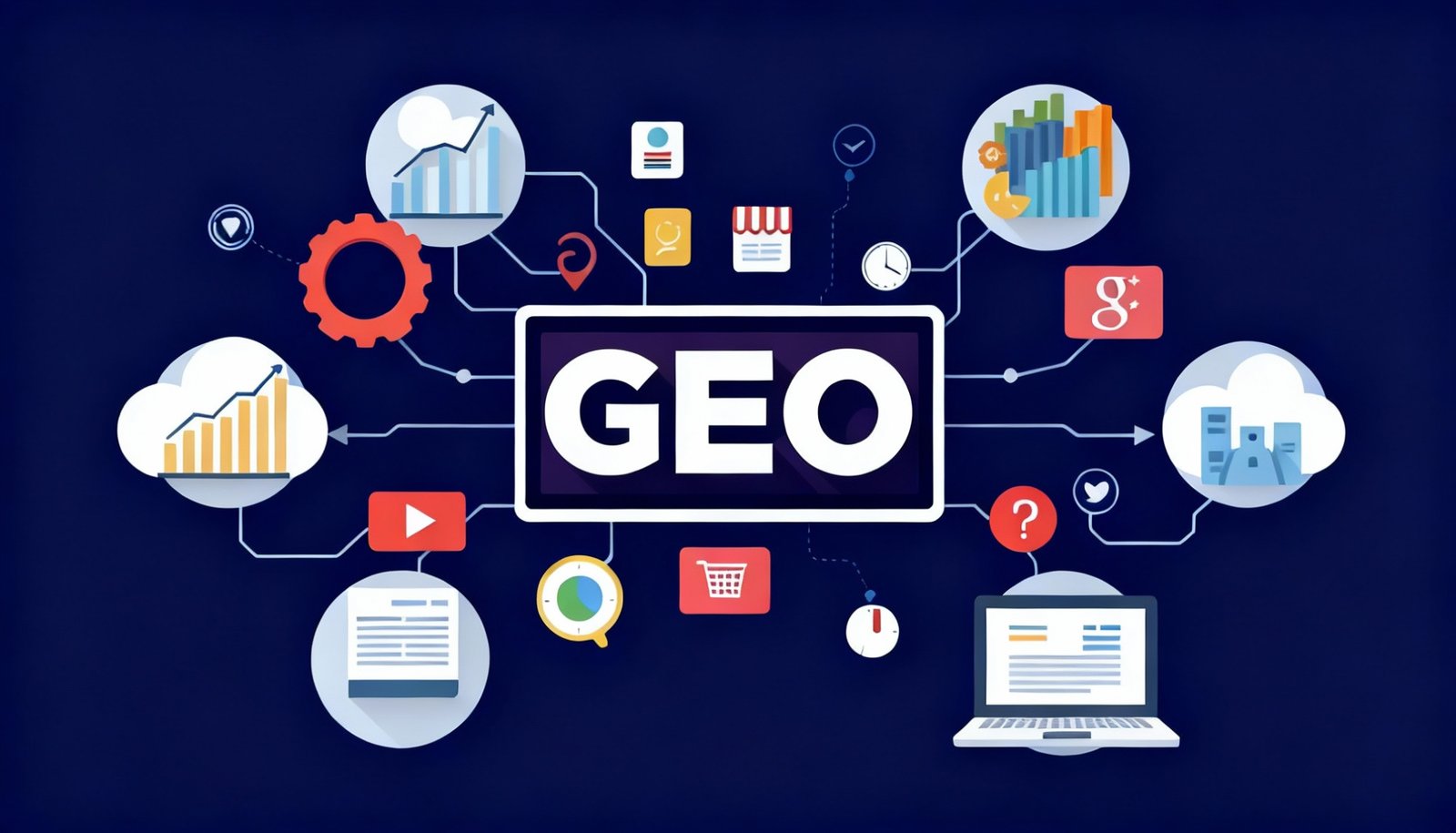
Generative Engine Optimization (GEO)
GEO is the emerging discipline of optimizing content to earn citations and recommendations within AI-generated search results. Unlike traditional SEO, which optimizes for keyword rankings and click-through to specific URLs, GEO optimizes for visibility and credibility in AI summaries and conversational responses.
GEO tactics include: establishing clear brand and entity identity through consistent structured data and mentions across authoritative sources, creating authoritative, citable content that AI systems recognize as trustworthy primary sources, building topical authority through comprehensive coverage and internal linking, earning backlinks and citations from high-authority domains, maintaining accurate and up-to-date facts and figures that AI systems can cite without verification, publishing original research, testing, or first-hand findings that are unique and not available elsewhere, and implementing schema markup that clearly labels author, publisher, methodology, and data sources.
For content to be cited in AI summaries, it must provide clear, citable facts and evidence. AI systems favour content that includes: direct answers to questions early in the text, cited sources and links to original data, transparent methodology, author credentials and expertise, and up-to-date information with publication or update dates.
Cloudflare’s AI crawler controls
Cloudflare, a major content delivery and security platform, has rolled out new features allowing website owners to block specific AI crawlers or require payment/licensing agreements before access is granted. These features include: selective blocking of OpenAI’s GPTBot, Google’s Gemini crawler, Anthropic’s crawler, and other specific AI bots; opt-in monetization models allowing site owners to receive payment when their content is used to train or serve AI responses; and transparency logs showing which AI crawlers have accessed their content and how frequently.
This represents a significant shift: publishers are no longer accepting free content ingestion by AI companies. Instead, they’re demanding compensation or licensing agreements, similar to how news publishers have negotiated with tech platforms historically.
Google’s publisher ad-revenue sharing pilot
In response to publisher complaints about reduced organic traffic due to AI Overviews, Google started piloting ad-revenue sharing programs. Publishers whose content is cited in AI Overviews or Gemini responses can now earn a share of ad revenue generated from those AI-powered search sessions.
The pilot program works as follows: Google identifies which publisher websites are cited most frequently in AI Overviews for a given query, publishers whose content is cited are enrolled in the program at no cost, and they receive a share of ad revenue from the session where their content was cited. Revenue share is distributed based on citation frequency and the prominence of the citation within the AI summary.
While this revenue share is unlikely to match the traffic loss from reduced organic clicks, it represents acknowledgment from Google that AI Overviews do displace traditional traffic and that publishers deserve some compensation.
The industry compensation landscape
The push for publisher compensation is gaining momentum across multiple fronts: major news organizations have signed licensing deals with OpenAI and Google guaranteeing payment for content used in AI training and responses; mid-market publishers are exploring Cloudflare’s monetization features to license their content; subscription and paywall publishers are experimenting with AI-exclusive content tiers; and industry groups like the News Media Alliance are advocating for mandatory licensing fees for AI content scraping.
Smaller affiliate and niche publishers have fewer leverage points than large news organizations, but they can still: implement Cloudflare controls to block or monetize AI access, apply for Google’s revenue-sharing pilot program if eligible, invest in original research and data that AI systems must cite (and cannot simply paraphrase), build author credentials and entity authority that make them cited sources for future AI systems, and participate in publisher coalitions advocating for fair compensation standards.
Strategic implications for publishers
Traffic model shift: Expect continued compression of traditional organic traffic. Plan revenue models that do not depend solely on volume-driven organic referrals.
Authority and citation as assets: Invest in becoming a cited, authoritative source in your niche. Being cited in AI summaries becomes a competitive advantage even if direct traffic declines.
Original research as differentiation: First-party data, testing, and original findings cannot be simply paraphrased by AI systems. They must be cited, which creates traffic and credibility.
Direct monetization of content: Explore Cloudflare licensing, direct deals with AI platforms, and revenue-sharing agreements rather than relying only on traditional ad-supported traffic.
Audience building beyond search: Reduce dependency on AI and search-driven traffic by building direct audiences through email, social, and community channels.
Related Resources
Learn GEO strategy, understand citation tracking, explore 15 AI tools, optimize your site, and build your toolkit.
Sources
- Cloudflare — AI Crawler Monetization and Blocking Features
- Google Official Blog — Publisher Ad Revenue Sharing for AI Overviews
- Search Engine Journal — Generative Engine Optimization (GEO) Strategy Guide
- News Media Alliance — Publisher Advocacy on AI Content Licensing
- Google Search Central — AI Overviews and citation visibility