Want Your WordPress Site Cited by AI?
AI-powered search is changing how people find information online. Platforms such as ChatGPT, Perplexity, Claude, Gemini, and Google AI Overviews increasingly deliver direct answers and link to websites that support those answers. This gives WordPress website owners a new opportunity: becoming a trusted source that AI systems choose to cite.
Getting cited is not about finding a shortcut or installing one plugin. It requires a well-built WordPress website with accessible content, strong technical SEO, clear answer-focused writing, verifiable information, and signals of real-world expertise. This process is often called Generative Engine Optimization, or GEO. It builds on traditional SEO while adapting content for AI-driven discovery.
Key Takeaways
- AI search engines are more likely to cite pages they can crawl, understand, verify, and trust.
- WordPress content should provide clear answers immediately below relevant headings.
- Technical SEO, fast page speed, mobile usability, and clean HTML remain essential.
- Structured data helps search systems understand articles, authors, FAQs, organisations, and services.
- Original research, credible references, and third-party mentions strengthen authority.
- Regular content updates can improve accuracy and relevance for changing search queries.
- AI citation performance should be monitored through prompt testing, referral traffic, and SEO reporting.
What Is Generative Engine Optimization?
Generative Engine Optimization is the practice of improving a website so AI-powered search engines can retrieve, understand, and potentially cite its pages in generated answers. GEO works alongside SEO, Answer Engine Optimization, content marketing, digital PR, and technical website optimisation.
Traditional SEO focuses heavily on ranking webpages in search engine results. GEO focuses on making individual sections of a page valuable enough to support a direct answer. An AI system may extract a short paragraph, a product comparison, a definition, a statistic, or a step-by-step process instead of relying on the whole article.
For WordPress websites, this means every important content section should be complete and understandable on its own. A visitor or AI crawler should quickly identify the question being answered, the main response, the relevant context, and the evidence supporting the claim.
Why Do AI Search Engines Cite Websites?
AI search engines cite websites to show where supporting information came from and help users explore the topic further. They are more likely to reference pages that are relevant, accessible, specific, trustworthy, and easy to interpret.
There is no guaranteed method for earning citations. However, websites that publish useful content, maintain technical quality, demonstrate credible expertise, and make information easy to retrieve are in a stronger position. Google’s guidance for generative search features continues to emphasise helpful, reliable, people-first content rather than a separate shortcut specifically for AI results.developers.google+1
How to Make Your WordPress Website Accessible to AI Crawlers
Your website must be technically accessible before it can be cited. AI search systems and conventional search crawlers need to fetch your pages, read the content, understand the page structure, and access important information without errors.
Begin with a technical audit. Review your robots.txt file, XML sitemap, server response codes, canonical tags, noindex rules, WordPress security plugins, cache configuration, CDN settings, and firewall restrictions. Important pages should return a stable 200 status code and should not accidentally block legitimate search or AI crawlers.
Check whether valuable content is visible in the original HTML source. Your headings, introductory answers, product details, FAQs, author details, comparison tables, and calls to action should not depend entirely on JavaScript after the initial page load.
Why Is Clean HTML Important for AI Search?
Some AI crawlers may not process advanced client-side JavaScript consistently. When the essential content of a page loads only after a script runs, a crawler may receive an incomplete version of the page.
WordPress sites usually perform well because standard themes generate server-side HTML. However, page builders, sliders, pop-ups, dynamic widgets, tabs, accordions, and headless implementations can hide important content from crawlers if they are not configured correctly.
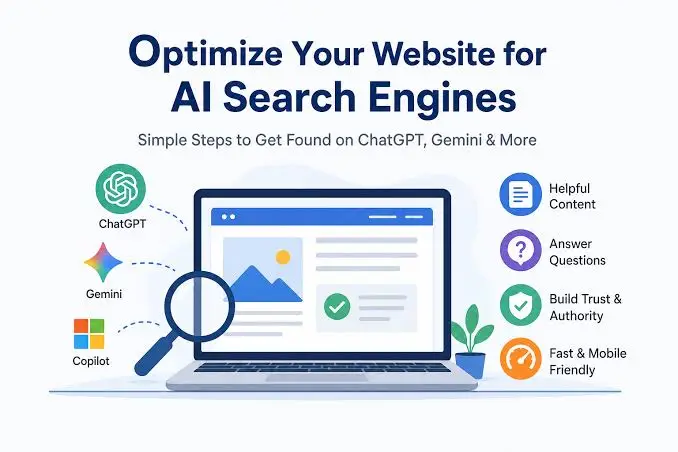
Use semantic HTML wherever possible. Proper H1, H2, and H3 headings, short paragraphs, lists, tables, descriptive image alt text, and visible internal links give both users and crawlers clearer signals. Fast websites also improve content accessibility, so reduce oversized images, remove unnecessary plugins, use caching, and choose reliable hosting.wp-rocket
How to Structure WordPress Content for AI Citations
AI systems often retrieve concise sections of content rather than reading every sentence on a page. This makes content structure essential. Each heading should clearly introduce one question or topic, followed by a direct response in the opening paragraph.
Use an answer-first approach. For example, instead of starting a section with background context, begin with a concise solution: “To improve AI citation potential, create crawlable WordPress pages, answer user questions directly, use relevant schema, and publish original evidence-backed information.” You can then expand with explanations, examples, and implementation steps.
Question-based headings also improve AI search performance because they closely match conversational user prompts. Strong examples include “How Do I Add FAQ Schema in WordPress?”, “What Makes Content Trustworthy for AI Search?”, “Why Is Website Authority Important?”, and “How Can I Measure AI Search Visibility?”
What Types of Content Are Most Citable?
Content is more likely to be useful for AI search when it provides a direct answer and adds meaningful value beyond what competing pages already state.
Helpful content formats include:
- Clear definitions of industry terms, services, tools, and processes.
- Step-by-step tutorials that show how to complete a task.
- Comparison tables that explain differences between products, platforms, or methods.
- Frequently asked questions that address real user concerns.
- Original research, case studies, surveys, testing, and data.
- Expert-led guides supported by reliable first-party or primary sources.
- Practical checklists for audits, implementation, optimisation, or decision-making.
Avoid generic, repetitive, or thin content written only to target keywords. AI-assisted content can be useful, but it should be reviewed carefully for accuracy, relevance, originality, and factual correctness before publication.developers.google
How to Use Schema Markup for AI Search
Schema markup is structured data that helps search engines understand the meaning of information on a webpage. It is not a direct ranking guarantee and does not guarantee that an AI system will cite your website. However, it can strengthen clarity around your content, organisation, author, services, products, FAQs, and articles.
For blog posts, use Article or BlogPosting schema. For common questions that appear visibly on the page, use FAQPage schema. Business websites can also benefit from accurate Organization, LocalBusiness, Person, Product, Service, and BreadcrumbList schema where relevant.
Do not add schema that does not match what users can see. Misleading FAQs, unsupported reviews, hidden content, or false claims can damage trust and create structured data errors. Use a trusted SEO plugin, test output with Google’s Rich Results Test, and validate any custom JSON-LD before publishing.
What Is the Best Schema Plugin for WordPress?
The best WordPress schema tool depends on your theme, technical skill level, site type, and existing SEO setup. Popular options include Rank Math, Yoast SEO, Schema Pro, and custom JSON-LD added through a child theme or code-snippet plugin.
Choose one primary schema system where possible. Multiple plugins can generate duplicate or conflicting structured data, making it harder for search engines to interpret your pages. Start with essential page types, validate the markup, and only add advanced schema when it accurately represents useful visible content.
Why Authority and Brand Signals Matter
AI search engines need signals that indicate whether a source is credible. Authority does not only mean backlinks. It includes who wrote the article, whether the website has genuine expertise, the accuracy of claims, transparency around commercial relationships, user trust, external references, and consistent brand information.
Build strong author pages and publish clear editorial policies, contact details, privacy information, terms, and an About page. Explain how products, services, or recommendations are reviewed. If your site earns affiliate revenue, disclose this clearly and explain your methodology.
Publish content that others naturally want to reference. Original research, verified statistics, industry reports, detailed case studies, real testing, helpful templates, and unique expert insights can attract relevant mentions and links. Independent sources and third-party brand references can reinforce credibility for users, search engines, and AI systems.wp-rocket+1
How Can You Build Better Entity Signals?
Entity signals help search engines understand who your organisation is, what it does, where it operates, and why it is qualified to discuss a topic. Consistency is critical.
Use the same brand name, business description, website URL, logo, contact details, social profiles, and author information across your WordPress website and relevant external platforms. Link your author profiles to legitimate professional accounts, reference reputable sources, and ensure that published expertise matches the website’s actual subject area.
For businesses in regulated or high-trust industries, editorial transparency is especially important. Clearly identify qualifications, review dates, sources, policies, and commercial relationships. This creates a more credible experience for readers and makes it easier for machines to interpret your organisation accurately.
How to Track AI Search Citations and Visibility
AI visibility needs regular measurement. Traditional rank tracking remains useful, but it does not show every way your brand may appear in generative search answers.
Create a list of priority prompts based on customer questions, service categories, product comparisons, local searches, informational needs, and brand terms. Test these queries manually across ChatGPT, Perplexity, Gemini, Claude, and Google’s AI-powered search experiences when available.
Record whether your site was cited, which URL appeared, how the content was described, which competing sources were referenced, and whether the answer was accurate. Repeat this process on a consistent schedule so you can identify changes over time.
Which Metrics Should You Monitor?
Use GA4, Google Search Console, server logs, SEO platforms, and manual prompt tracking together. Each tool reveals a different part of the performance picture.
Monitor referral traffic from AI platforms, impressions and clicks for relevant search queries, index coverage, crawl errors, page speed, engagement metrics, branded searches, new backlinks, third-party brand mentions, and conversions from pages designed for high-intent questions.
The goal is not simply to collect a citation. The goal is to earn relevant visibility that brings qualified visitors to pages that build trust and support meaningful business outcomes.
Related Posts
- Semrush vs Ahrefs for AI Search
- How to Measure AI Visibility
- Best AI Tools for 2026
- GEO and AI Search Optimisation
- AI Marketing Trends
Conclusion
Getting a WordPress website cited by AI search engines requires strong fundamentals. Start with a fast, crawlable, mobile-friendly website that delivers useful content in clean HTML. Then create clear answer-first sections, add accurate schema markup, demonstrate genuine expertise, and build trusted authority through transparent publishing practices.
AI search visibility should be treated as an ongoing optimisation process. Regularly improve high-value pages, check that important content remains accessible, test real prompts, monitor referral data, and update information as your industry changes. Websites that make accurate information easy to find, understand, and verify are best positioned for long-term visibility in AI-powered search.
FAQ
How do I get my WordPress website cited by AI search engines?
Make your website accessible to crawlers, publish direct and accurate answers, use logical headings, add appropriate schema markup, build authority, and maintain updated content.
Can WordPress plugins help with AI search optimisation?
Yes. SEO, caching, image-optimisation, schema, security, and analytics plugins can support technical and content quality. However, no plugin alone guarantees citations from AI search engines.
Does schema markup guarantee AI citations?
No. Schema markup helps search systems understand content, but citation decisions also depend on relevance, accessibility, information quality, authority, and the user’s specific query.
Should I allow AI crawlers in my robots.txt file?
This depends on your business, content, and legal policy. If you want eligible AI systems to access public content for search and citation purposes, check that relevant bots are not blocked unintentionally.
Does AI-generated content get cited?
AI-generated content can be cited if it is accurate, useful, original where possible, and reviewed by a qualified human editor. Do not publish unverified AI output without checking facts, sources, and relevance.
What is an llms.txt file?
An llms.txt file is an emerging website convention intended to provide AI systems with a concise guide to key website sections and resources. It may support discoverability, but it does not replace good content, crawlability, technical SEO, or authority.
How often should WordPress content be updated for AI search?
Review important pages whenever relevant facts change. For competitive or fast-moving topics, audit key articles monthly or quarterly and update dates, statistics, sources, product information, and recommendations where needed.
Important Information
This blog post is for general educational purposes only. AI search engine behaviour, crawler policies, platform features, search visibility, citation practices, WordPress functionality, and SEO best practices may change over time. No ranking, traffic, conversion, indexing, AI citation, or business result is guaranteed. Always test website changes in a staging environment, validate structured data, review official platform documentation, and obtain technical, legal, financial, or compliance advice when needed.