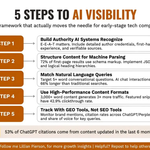
Generative Engine Optimization (GEO) is the practice of making your website, brand, and content more discoverable, understandable, and citable by generative AI systems—ChatGPT, Google Gemini, Claude, Perplexity, and similar models that synthesize information into direct answers rather than ranked link lists.
Unlike traditional SEO, which optimizes for ranking position, GEO optimizes for appearance, citation, and accuracy in AI-generated responses. The core distinction: SEO targets algorithm rankings; GEO targets whether AI systems recognize your brand and cite your content as a trusted source.
Why GEO Matters in 2026
AI search systems now capture 15–40% of informational search volume in key categories. When users ask ChatGPT, “What’s the best sports betting site?” or ask Gemini “How do I optimize for AI search?”—your content either appears as a cited source or it doesn’t. Google’s AI features guidance confirms that AI Overviews, Gemini AI Mode, and similar systems reference indexed pages from Google Search, but citation selection depends on relevance, authority, and content structure—not traditional rankings.
SEO vs AEO vs GEO: What’s the Difference?
SEO (Search Engine Optimization): Optimizes web pages to rank high in Google’s traditional ranked search results. Success metric: position in the search results page.
AEO (Answer Engine Optimization): Optimizes web content to be cited in answer-led search experiences—including Google AI Overviews, Perplexity answers, and You.com responses. Success metric: inclusion in AI-generated answers.
GEO (Generative Engine Optimization): The broader practice of earning mentions, citations, and authority recognition across all generative AI systems. Success metric: citation rate, share of voice, and traffic from AI-referred visitors.
Critical distinction: GEO is not a replacement for SEO. It extends SEO foundations—technical health, content quality, E-E-A-T signals, and digital PR—into AI discovery and attribution systems. A page that ranks #5 in Google may be cited more frequently in AI responses if it has stronger original research, clearer methodology, or more transparent author credentials.
How Generative AI Systems Retrieve and Cite Information
When you ask ChatGPT or Gemini a question, the model doesn’t search the live web in real time (ChatGPT with web access is an exception; most interactions work from training data or cached indexes). Instead, generative models:
- Synthesize patterns learned during training on billions of web pages, academic papers, and documents.
- Select sources to cite based on learned relevance, authority, and trustworthiness signals.
- Attribute or link to original URLs when the user requests citations or when the system deems attribution necessary.
- Filter for accuracy based on training examples of high-quality sources and editorial standards.
According to Google’s generative AI optimization guide, Google AI Overviews pull cited sources from pages already in the Google Search index. This means indexation remains the foundation—but citation selection depends on the content’s clarity, methodological transparency, and perceived authority.
The Three Pillars of GEO Strategy
1. Content Pillar: Authority, Originality, and Clarity
Generative models prioritize content that:
- Demonstrates original research or proprietary data (e.g., case studies, surveys, benchmarks)
- Shows author expertise and transparency (byline, credentials, disclosure of conflicts)
- Provides direct, scannable answers to common questions in the category
- Cites credible sources and links to supporting evidence
- Updates regularly to reflect current information
- Explains methodology for data-driven claims, not just assertions
2. Technical Pillar: Crawlability, Indexation, and Structure
Generative AI systems can only cite content that:
- Is indexable by Google Search (no noindex, no robots.txt blocks, no paywalls blocking crawlers)
- Loads quickly and renders correctly (Core Web Vitals impact both Google ranking and crawl efficiency)
- Uses semantic HTML and clear heading structure so models can parse sections and extract direct answers
- Includes structured data markup (schema.org) where applicable—Article schema, FAQPage schema, and NewsArticle schema help models understand context
- Contains clear source attribution (author name, publication date, last updated date, publication name)
3. Authority Pillar: Digital PR, Backlinks, and Brand Recognition
Generative models learn to recognize authority through:
- Backlinks from credible domains (same signals traditional SEO tracks)
- Brand mentions across news, industry publications, and academic sources
- Consistent topical focus and expertise signals across multiple pages
- First-party editorial standards (corrections, updates, transparent methodology)
GEO Metrics That Matter
Unlike traditional SEO (which tracks rankings and clicks), GEO tracking measures:
- Mention Rate: Percentage of tracked prompts where an AI model names your brand
- Citation Rate: Percentage of tracked prompts where the model attributes or links to one of your pages
- Share of Voice (SOV): Your brand’s citations as a percentage of total competitor citations in the same category
- Cited Page Count: How many unique URLs from your domain receive AI citations
- Source Gaps: Competitor domains cited in AI responses where your domain isn’t represented
- Citation Velocity: Rate of change in citation frequency month-over-month
- Referral Traffic from AI: Direct attribution of traffic originating from ChatGPT, Gemini, or other models
90-Day GEO Implementation Plan
Month 1: Measurement Foundation
- Select a GEO tracking tool (Profound, Peec AI, or Semrush AI Module)
- Build a prompt library covering your top 5–10 category topics
- Establish baseline citation rate and share of voice against 2–3 direct competitors
- Audit Google Search Console for indexation issues and AI feature eligibility
- Identify your top-cited pages (if any) and pages mentioned but not cited
Month 2: Content and Technical Optimization
- Revise 3–5 high-value pages to improve clarity, add original research, and strengthen author credentials
- Add structured data (Article schema, FAQPage schema) to key pages
- Implement semantic HTML and scannable section headers
- Fix Core Web Vitals issues (if any)
- Create new content targeting gaps identified in citation analysis
Month 3: Measurement and Adjustment
- Re-run citation benchmarks against baseline
- Track referral traffic from AI sources (if available via analytics)
- Document changes in mention rate, citation rate, and share of voice
- Plan Month 4 content and PR efforts based on findings
Common GEO Mistakes to Avoid
- Assuming a single mention equals a citation: Models can name your brand without linking to it. Citations (with URLs) are what drive referral traffic.
- Neglecting technical SEO: If your page isn’t indexed, it can’t be cited. Crawlability and indexation remain foundational.
- Publishing thin, AI-generated content: Models learn to recognize low-effort content and deprioritize it. Original research, methodology, and author expertise matter.
- Ignoring competitor context: GEO is relative. Growing your citations while competitors shrink theirs increases your share of voice.
- Measuring only mentions, not citations: A mention without a URL link is less valuable than a citation with a source URL.
- Expecting guarantees: GEO improves the conditions for visibility; it does not guarantee citation. Authority and relevance still determine final selection.
Related Resources
Dive deeper into GEO measurement with AI Citation Tracking Explained, explore top GEO tools, learn how to optimize for AI search, understand your complete visibility toolkit, and read our AI visibility measurement guide.